The Role of Trees in Carbon Sequestration: Enhancing Environmental Impact Apr 13, 2026
Carbon sequestration is the process by which trees absorb carbon dioxide (CO2) from the atmosphere, using it in photosynthesis to create energy, and storing it as carbon in their biomass (trunks, branches, roots, and leaves). Not only do trees contribute to cleaning our air, but they also serve as carbon sinks, locking away carbon for decades, if not centuries. This natural process is fundamental in mitigating the effects of climate change, making tree care and conservation a priority in urban planning and forestry management.
Trees are exceptionally efficient at capturing carbon from the atmosphere. Young, fast-growing trees are particularly effective at sequestration due to their rapid growth phase. This is why strategic planting and maintaining a diverse age range in forests and urban areas are crucial. However, older trees, while slower in growth, continue to sequester carbon and have stored significant amounts of it over their lifetime, acting as long-term carbon reserves.
To enhance the carbon sequestration capacity of trees, it is essential to focus on several key practices. Choosing the right species for specific environments can maximize growth rates and carbon uptake. Native species are typically well-suited to local conditions and require less maintenance, ensuring their sustainability. Moreover, urban tree planting projects need to consider factors like soil health, irrigation needs, and space availability to ensure saplings mature into healthy trees.
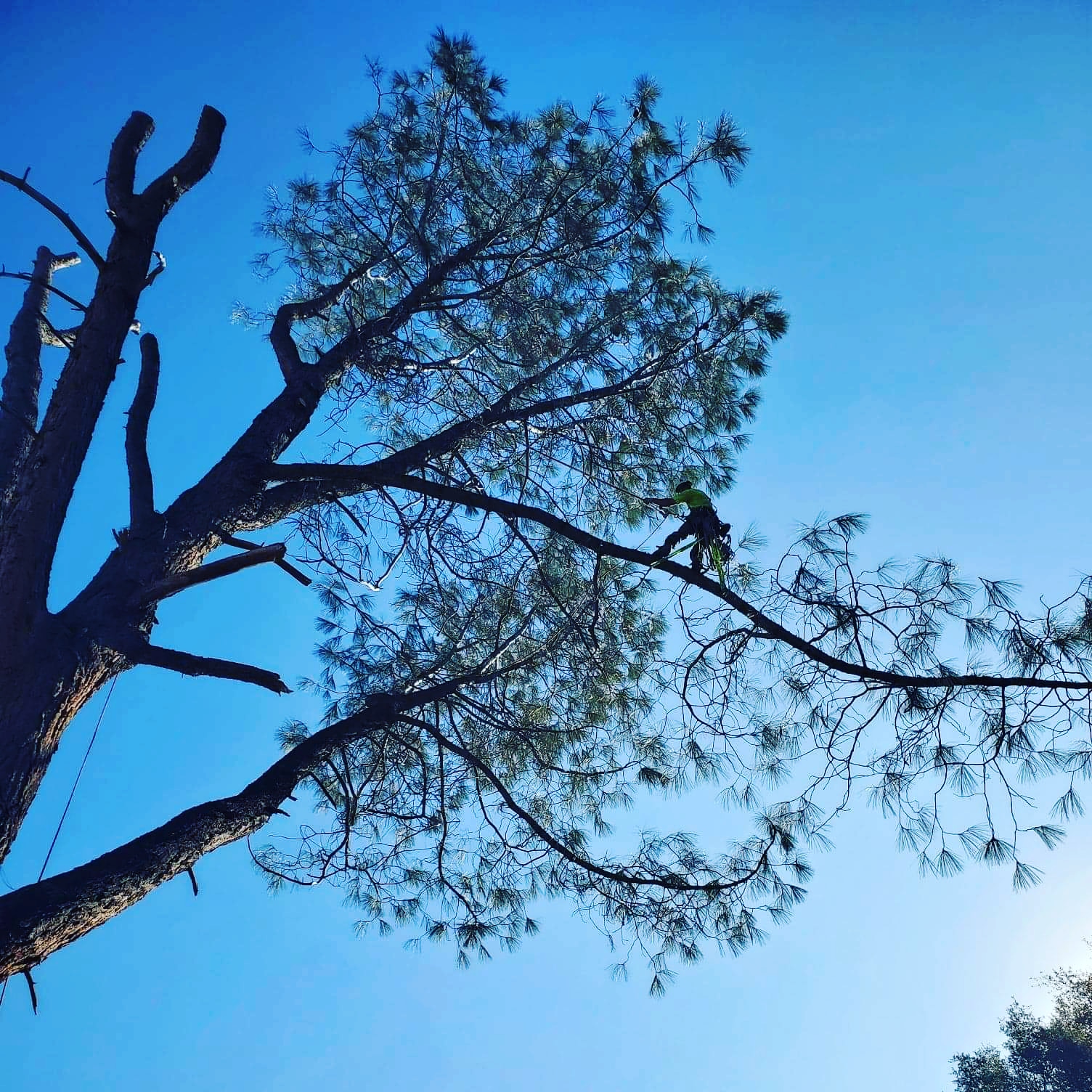
At George Staddan's Professional Tree Care, we emphasize the importance of regular tree maintenance not just for aesthetic and safety purposes, but also to promote healthy growth and sustainability. Pruning dead or diseased branches allows trees to allocate resources effectively, boosting their ability to store carbon. Additionally, pest control and disease management are crucial to preventing the loss of tree biomass, which would otherwise release stored carbon back into the atmosphere.
Community involvement is also vital. Educating communities about the environmental impact of trees encourages participation in local tree planting and conservation projects. By fostering a culture of care and responsibility, we can collectively enhance the green canopy, adding more carbon sinks to our surroundings and reaping the extensive benefits they provide.
In conclusion, trees are paramount to the battle against climate change, thanks to their role in carbon sequestration. By understanding the processes and implementing effective tree care practices, we can significantly enhance their environmental impact. At George Staddan’s Professional Tree Care, we are committed to protecting and cultivating our tree landscapes to ensure they continue to act as vital resources in our ecosystem. By taking action now, we can secure a healthier and more sustainable future for generations to come, underlining the essential partnership between humans and our leafy counterparts in creating a balanced and thriving environment.
/filters:no_upscale()/filters:format(webp)/media/19c9f138-f734-418b-871d-6def4c1bac81.jpeg)
/filters:no_upscale()/filters:format(webp)/media/e730220e-d120-41a2-be36-1d3eea15a737.jpeg)