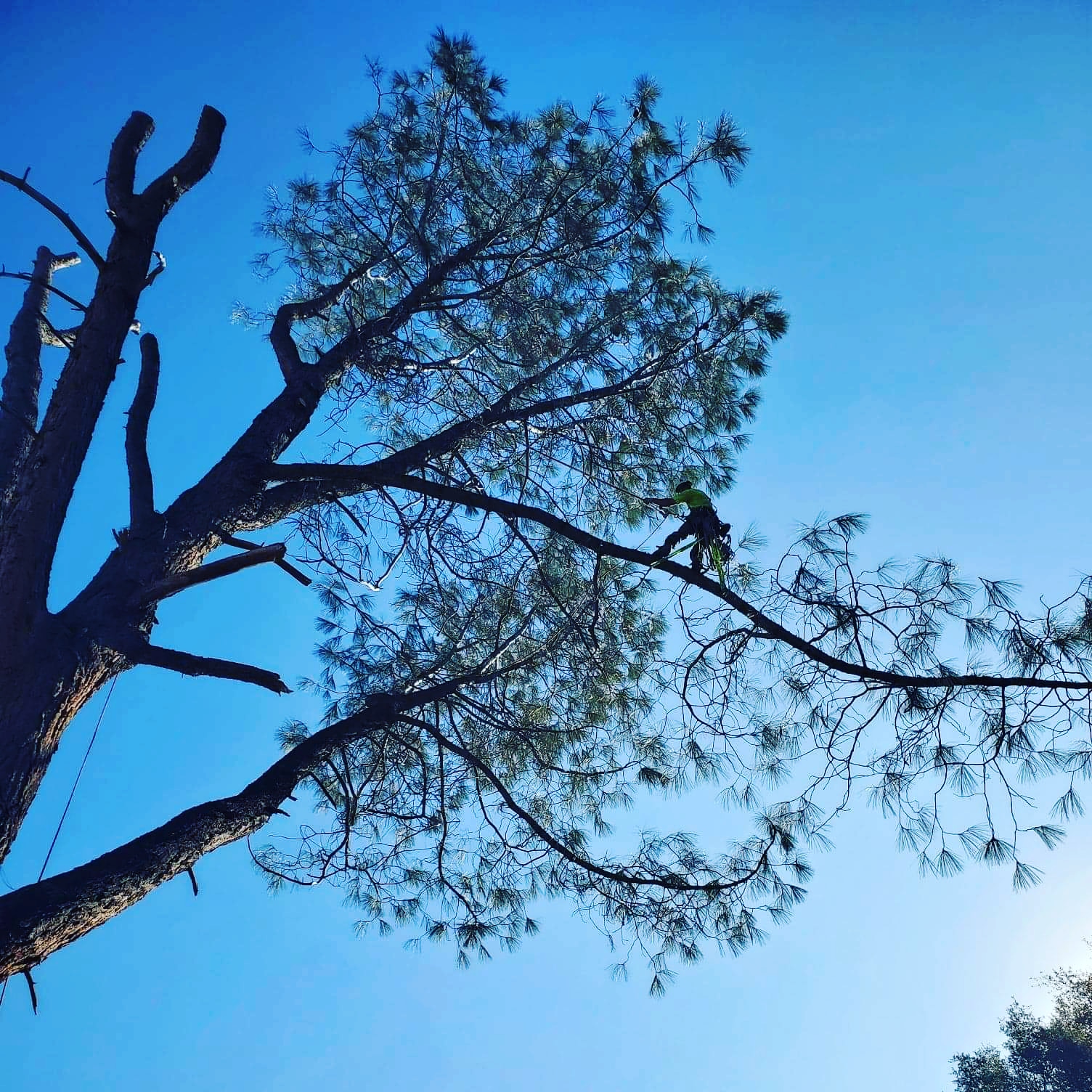
The Essential Guide to Tree Pruning: Timing and Techniques for Healthier Trees May 21, 2026
To begin with, it’s essential to recognize the best time of year for pruning. Timing plays a crucial role. Late winter or early spring is generally ideal for most tree species. Pruning during these months allows trees to heal before new growth begins. This period also reduces the risk of spreading diseases, as many pathogens are inactive in cooler weather. However, certain trees, like maples and birches, have a unique cycle and may benefit from a different schedule. Understanding your tree's specific needs and characteristics is key to successful pruning.
Once you have established the timing, the next step is to focus on the techniques. Proper pruning techniques can make the difference between a lush, vibrant tree and a stunted, vulnerable one. Start with the three-cut method to remove larger branches. First, make a cut about a foot from the limb’s origin on the underside to prevent bark tearing. Follow with a second cut above, a few inches past the first. Finally, remove the stub with the third cut, which should be just outside the branch collar—a naturally swollen area that aids in healing.
Additionally, thinning is another effective pruning method. It involves removing select branches to increase light penetration and air circulation within the tree’s canopy. This technique can significantly reduce the risk of disease and promote stronger growth. Always aim for balance and avoid excessive thinning, which can stress your tree and leave it vulnerable to environmental threats.
Crown raising is particularly beneficial for trees in urban or residential settings, where low-hanging branches could pose hazards. Carefully removing these branches can improve safety and tree aesthetics, allowing for better visibility and clearance for vehicles and pedestrians.
It’s crucial to avoid common pruning mistakes, such as topping, which involves indiscriminately cutting back large portions of the tree. Topping can severely damage trees, leading to weak, uncontrolled growth and increased susceptibility to pests and diseases. Always prioritize cuts that respect the tree’s natural form.
In conclusion, tree pruning is an investment in the health and beauty of your landscape. It requires careful consideration of timing and technique to be truly effective. By adopting the correct approaches, you help your trees grow stronger and contribute positively to the ecosystem. If you're unsure about how to proceed, contacting a professional tree care service like George Staddan's can provide the expertise required for optimal outcomes.
In corporate settings or personal gardens, well-maintained trees not only elevate the aesthetic appeal but also contribute to safety and environmental health. As you consider your tree care plan, remember that proper pruning is an ongoing process that, when undertaken thoughtfully, pays long-term dividends in vibrant, resilient trees.
/filters:no_upscale()/filters:format(webp)/media/19c9f138-f734-418b-871d-6def4c1bac81.jpeg)
/filters:no_upscale()/filters:format(webp)/media/e730220e-d120-41a2-be36-1d3eea15a737.jpeg)