Preserving Heritage Trees: Balancing Conservation with Modern Development May 16, 2026
Understanding Heritage Trees
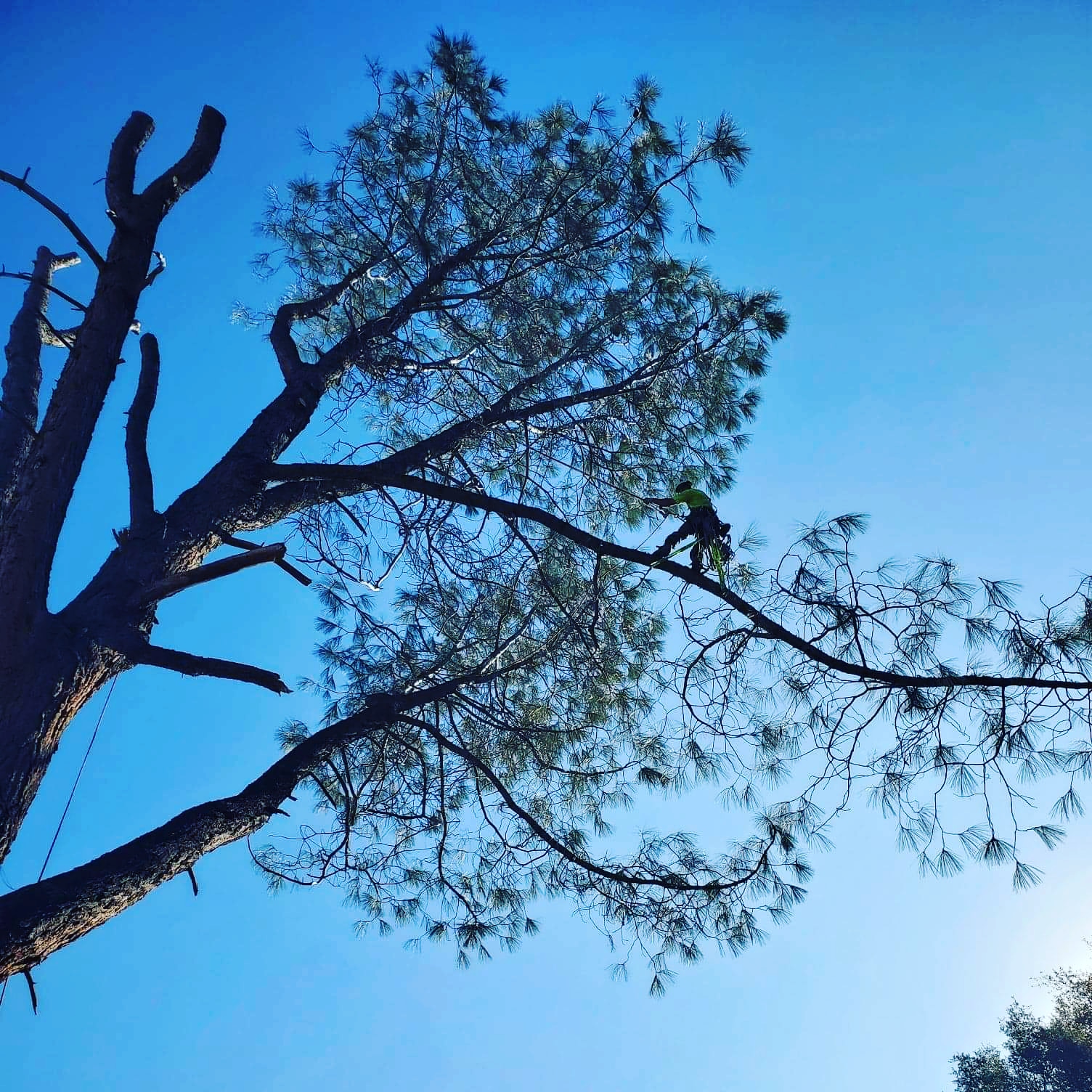
Heritage trees are not mere plants; they are an intrinsic part of our history and environment. Renowned for their age, size, or distinct cultural significance, these trees offer invaluable benefits. They provide shade, preserve biodiversity, and serve as a testament to history, bridging generations with their steadfast presence. As developments continue to reshape our environment, ensuring their survival becomes not just a task, but a duty.
The Value of Heritage Trees
Preserving heritage trees enhances urban aesthetics and contributes to environmental quality. They act as carbon sinks, absorbing pollutants while exuding fresh oxygen. Socially, these trees strengthen community ties, offering natural spaces for recreation and reflection. Economically, properties near mature trees often see increased value, making tree conservation a wise investment.
Challenges in Modern Development
The growing demand for housing, infrastructure, and other facilities in urban areas often leads to the felling of mature trees. Without proper planning, the balance between development and conservation can tip unfavorably, leading to the irreversible loss of these invaluable natural assets. Preservation efforts require strategic planning and collaboration among developers, municipalities, and environmental professionals.
Strategies for Conservation
Reactive measures, such as relocating heritage trees after damage to their environment, often come too late. Proactive strategies must be implemented at the onset of any development. Careful planning can ensure that new construction complements the existing natural environment, rather than conflicting with it. At George Staddan's Professional Tree Care, we recommend the following:
1. **Early Assessment**: Conduct a detailed survey of existing trees at the initial stage of development planning. Identifying heritage trees allows for their incorporation into design models, ensuring they are regarded as assets rather than obstacles.
2. **Expert Consultation**: Enlist the guidance of arborists who specialize in tree health and preservation. Professional insights can inform safe construction practices that minimize impact on trees.
3. **Protective Barriers**: During construction, erect barriers to shield trees from mechanical damage, soil compaction, and other potential threats.
4. **Sustainable Design**: Implement landscape designs that incorporate existing trees. This approach provides immediate greenery, reducing the time and cost associated with establishing new planted areas.
5. **Community Engagement**: Foster a community-driven preservation effort. Raising public awareness about the significance of heritage trees can lead to collective efforts in their protection.
Conclusion
In the face of modern urban expansion, the preservation of heritage trees is a collective responsibility that requires foresight, cooperation, and respect for nature’s contributions. At George Staddan's Professional Tree Care, we prioritize these principles, turning potential conflicts into harmonious displays of progress and preservation. By adopting comprehensive strategies that balance development with ecological stewardship, we can ensure that these living monuments continue to thrive for generations to come.
Protecting heritage trees is more than just a duty; it is a commitment to nurturing the legacy of life that they represent. Let's cultivate an environment that cherishes the past while eagerly embracing the future.
/filters:no_upscale()/filters:format(webp)/media/19c9f138-f734-418b-871d-6def4c1bac81.jpeg)
/filters:no_upscale()/filters:format(webp)/media/e730220e-d120-41a2-be36-1d3eea15a737.jpeg)