Mastering Tree Nutrition: Unlocking the Secrets to Thriving Urban Trees Jul 12, 2026
Urban environments can be harsh for trees. They face limited space, compacted soil, air pollution, and often, insufficient water. These conditions make it necessary to provide additional nutrients to support their growth and health. The foundation of tree nutrition lies in understanding the key nutrients that trees need, notably nitrogen, phosphorus, and potassium. Each plays a distinct role: nitrogen is vital for leafy growth, phosphorus supports root development, and potassium enhances overall health and disease resistance.
To begin mastering tree nutrition, it’s essential to start with a soil test. This diagnostic tool gives a comprehensive snapshot of soil composition and helps identify any deficiencies. Soil tests can reveal crucial insights into pH levels and nutrient imbalances, allowing for tailored fertilization strategies. Fertilizers formulated for urban trees can then be applied, addressing specific nutrient gaps revealed by the soil analysis. By doing so, you ensure that trees receive the precise nutrients they require.
Applying organic mulch is another effective strategy to boost tree nutrition. Organic mulch, such as wood chips or bark, helps retain soil moisture, regulate temperature, and gradually add nutrients as it breaks down. This mimics the natural forest floor, creating a more favorable environment for tree roots. Moreover, mulch suppresses weeds, which would otherwise compete with trees for water and nutrients, ensuring that more resources are available to the trees.
Regular watering, especially during dry spells, cannot be overstated. Trees in urban areas often face water stress due to impervious surfaces like concrete, which prevent rainwater infiltration. By providing consistent, deep watering, you can help trees access the moisture they need to absorb nutrients effectively. Consider installing a drip irrigation system for efficient water delivery without wastage.
Another crucial aspect is root health. Urban trees frequently suffer from restricted root space and compaction, limiting their ability to uptake nutrients. Aerating the soil around the tree base can significantly improve this condition by enhancing root expansion and nutrient access. This process involves perforating the soil to allow more air, water, and nutrients to penetrate the root zone.
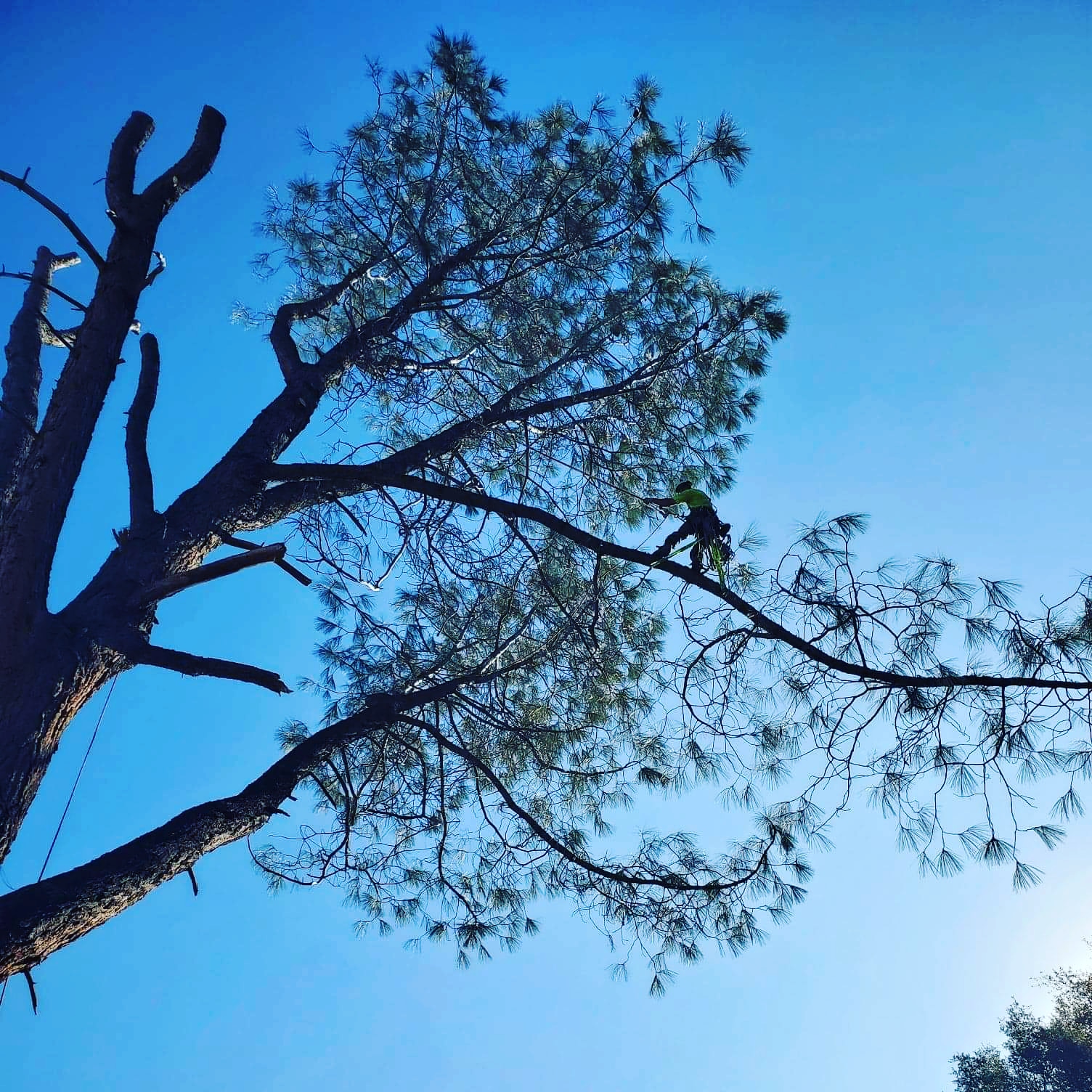
Proper pruning practices also contribute to tree health. Pruning not only shapes the tree but also encourages strong growth by removing dead or diseased branches. This reduces competition for nutrients within the tree itself, redirecting energy to healthier parts of the tree.
As urban trees often need a helping hand to thrive, consistent monitoring and maintenance are key. Regularly checking for signs of nutrient deficiency, such as chlorosis or stunted growth, allows for timely intervention. An alert and proactive approach can make a significant difference in sustaining urban tree health.
At George Staddan's Professional Tree Care, we believe that understanding and applying these nutritional strategies will empower you as tree caretakers. By focusing on the nutritional needs of your trees, you ensure that they continue to enhance urban landscapes, providing shade, beauty, and ecological benefits for generations to come. Cultivating a thriving urban forest requires commitment and care, but with the right knowledge and actions, it's certainly achievable. Embrace proactive tree nutrition today, and watch your urban trees flourish like never before.
/filters:no_upscale()/filters:format(webp)/media/19c9f138-f734-418b-871d-6def4c1bac81.jpeg)
/filters:no_upscale()/filters:format(webp)/media/e730220e-d120-41a2-be36-1d3eea15a737.jpeg)