Cultivating Resilient Trees: Strategies for Climate Change Adaptation May 25, 2026
Climate change presents several challenges to tree care, including increased temperatures, irregular rainfall patterns, and more frequent extreme weather events. The first step in adapting tree care practices is understanding the specific impacts of these changes. For instance, trees may experience stress from drought conditions, leading to vulnerability to pests and diseases. To counter this, it's crucial to select drought-resistant tree species and implement efficient water management practices.
One effective strategy is the use of mulch, a simple yet powerful tool in water conservation. Mulching helps retain soil moisture, reduce evaporation, and maintain a cooler root environment. This is especially beneficial in dry and hot areas where water scarcity is a concern. Alongside mulching, implementing drip irrigation systems can optimize water use, delivering moisture directly to tree roots while minimizing waste.
Selecting tree species that are resilient to future climatic conditions is another essential adaptation strategy. Native trees often offer the best resilience, as they are acclimated to the local environment. However, it's worthwhile to consider the introduction of species from regions with similar projected climate conditions. Consulting with experts at George Staddan's Professional Tree Care can guide you in choosing the optimal mix of species that best withstand future stresses.
Soil health is another critical component of resilient tree care. Healthy soils support robust root systems and better nutrient uptake, which are essential for tree resilience. Incorporating organic matter, such as compost, can enhance soil structure, improve water retention, and support beneficial soil organisms. Periodic soil testing helps monitor pH levels and nutrient content, allowing for informed adjustments in soil management practices.
Moreover, proactive pest management is vital as climate change may alter the distribution and behavior of pests and diseases. Monitoring trees regularly for signs of infestation and taking preventive measures can mitigate these risks. Integrated Pest Management (IPM) emphasizes the use of biological controls and eco-friendly treatments over chemical pesticides, promoting a healthier ecosystem.
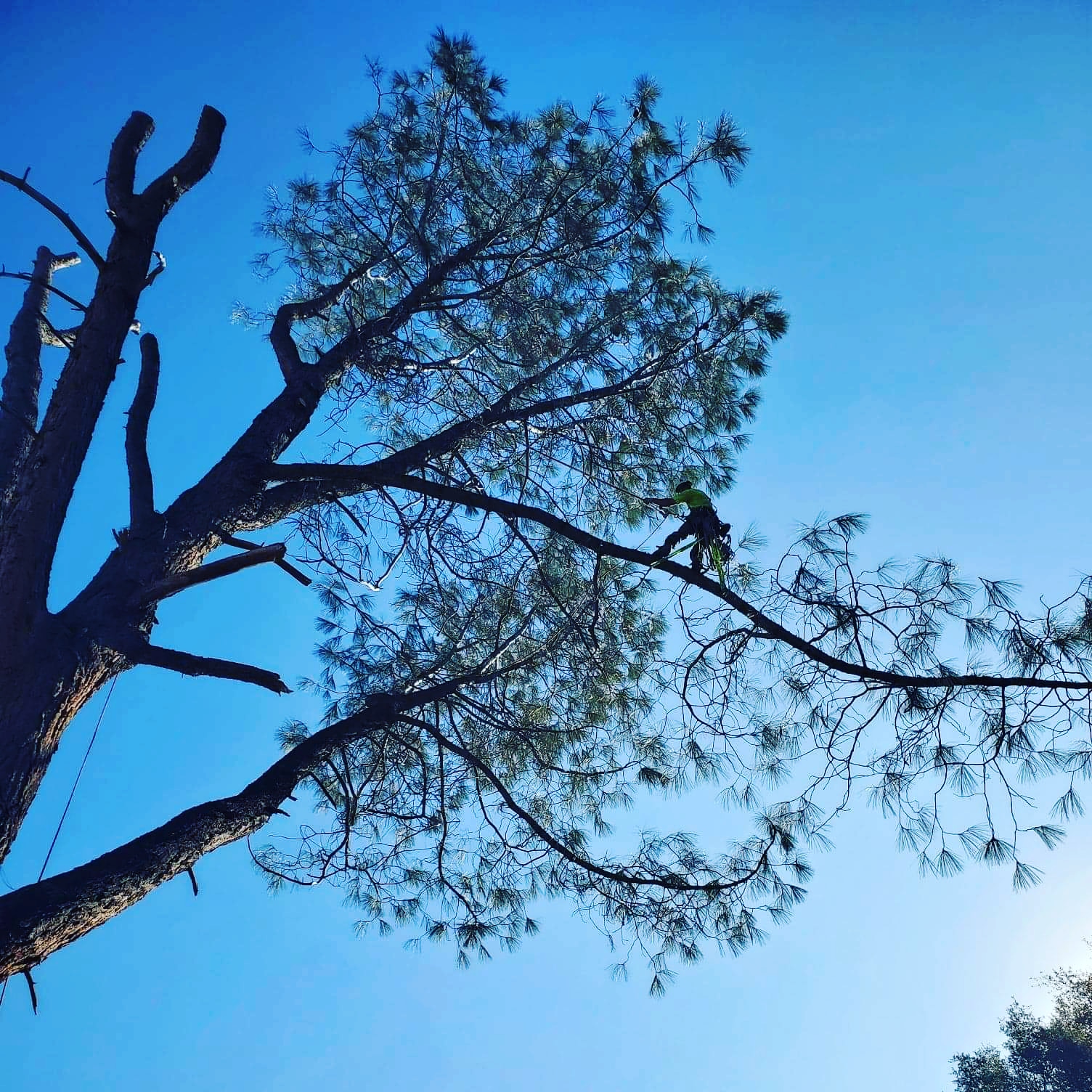
Pruning also plays a pivotal role in tree resilience. Proper pruning techniques help stimulate growth, improve air circulation, and remove damaged or diseased branches, reducing the pressure on the tree. Regular pruning ensures that trees maintain a strong structure capable of withstanding storms and other extreme weather conditions.
Finally, community involvement and education are fundamental in promoting resilient tree care practices. Collaborating with local communities to raise awareness about the importance of tree adaptation can amplify efforts. At George Staddan's Professional Tree Care, we foster workshops and educational programs to engage and inform the public about best practices in adapting to climate change.
In conclusion, as the climate continues to shift, adapting tree care practices is no longer a choice but a necessity. By selecting resilient species, optimizing water management, maintaining soil health, implementing proactive pest management, and engaging the community, we can cultivate and protect the trees that enhance our landscapes. Trust George Staddan's Professional Tree Care to guide you through these changing times, ensuring your trees remain vibrant and resilient for generations to come.
/filters:no_upscale()/filters:format(webp)/media/19c9f138-f734-418b-871d-6def4c1bac81.jpeg)
/filters:no_upscale()/filters:format(webp)/media/e730220e-d120-41a2-be36-1d3eea15a737.jpeg)